
What turns an arena into a lasting asset for its city?
At TheStadiumBusiness Design & Development Summit 2026, Buro Happold’s Rob Amphlett, Steve Williamson and Andy Pottinger will explore how arenas are evolving from standalone event buildings into cultural anchors, district catalysts and adaptable platforms for shared experience.
The Rise of the Arena: Unlocking Value in the Entertainment Economy
For nearly 2,000 years, venues have brought people together for extraordinary shared experiences. From the multi-purpose Colosseum to today’s entertainment districts, that fundamental social purpose remains remarkably constant. What is changing is the economic, environmental and urban context around it.
Music and sport are accelerating that change. Live touring, new audiences created through streaming and social media, and the international growth of sports such as basketball are increasing demand for flexible, high-quality venues capable of supporting very different experiences.
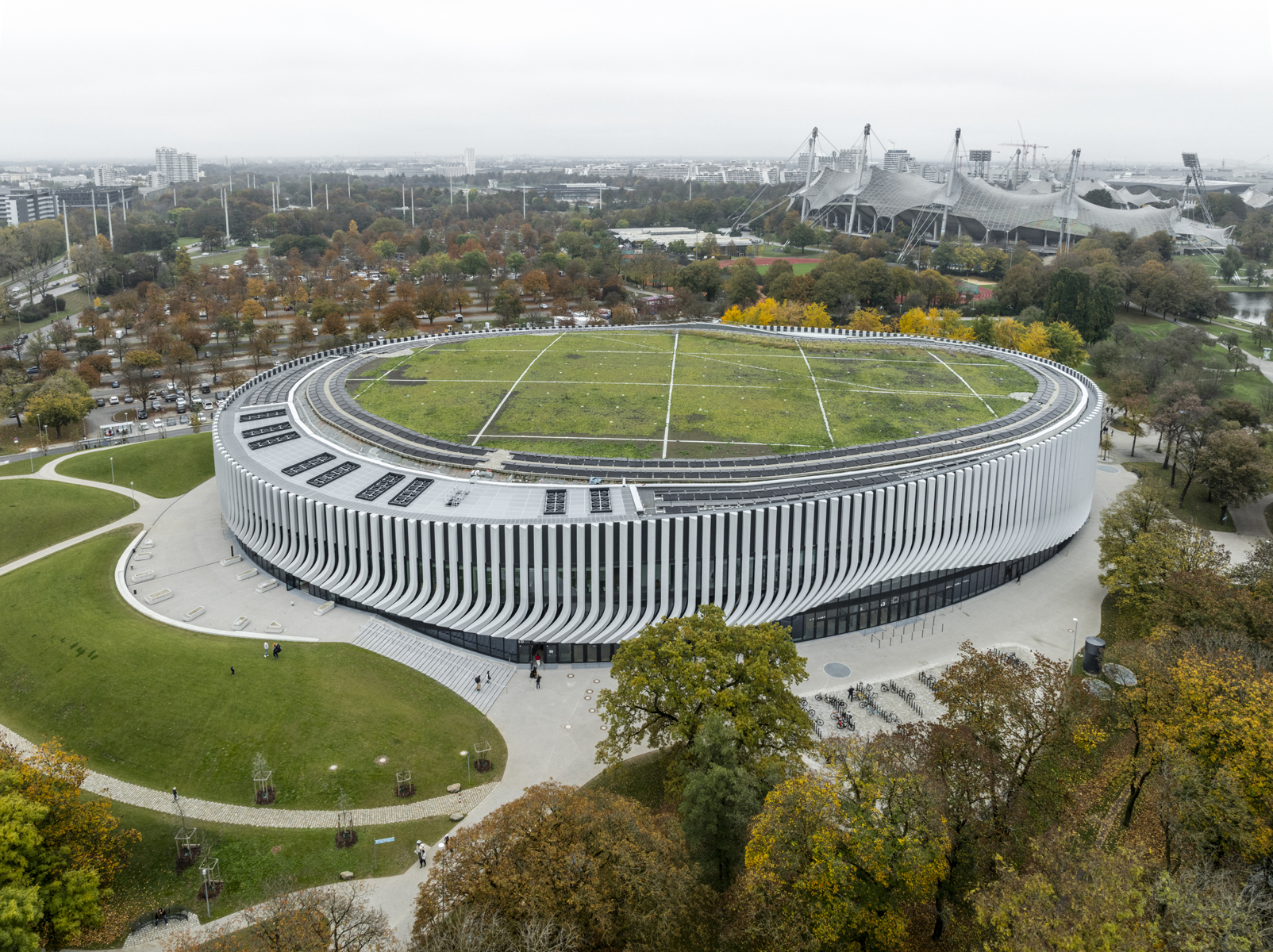
Like the opera houses and civic venues that preceded them, today’s arenas can express a city’s cultural ambition. But increasingly they are expected to do more: attract investment, support regeneration, strengthen local identity and anchor destinations that remain relevant beyond event day.
SESSION PERSPECTIVE
Designing Arenas That Can Evolve
Successful arenas are not created by architecture alone. They emerge from a clear vision connecting audience experience, operations, engineering, commercial performance, sustainability and the wider city.
The session will explore a critical distinction: does the arena itself need to operate 365 days a year, or does the district around it need to? That question influences decisions around mixed use, public realm, transport, hospitality, security and event conversion.
It will also challenge the conventional ambition to “future-proof” venues against every possible use. Rather than trying to predict the next 30 years, should we create robust core infrastructure and adaptable frameworks that can evolve as audiences, technology and commercial demand change?
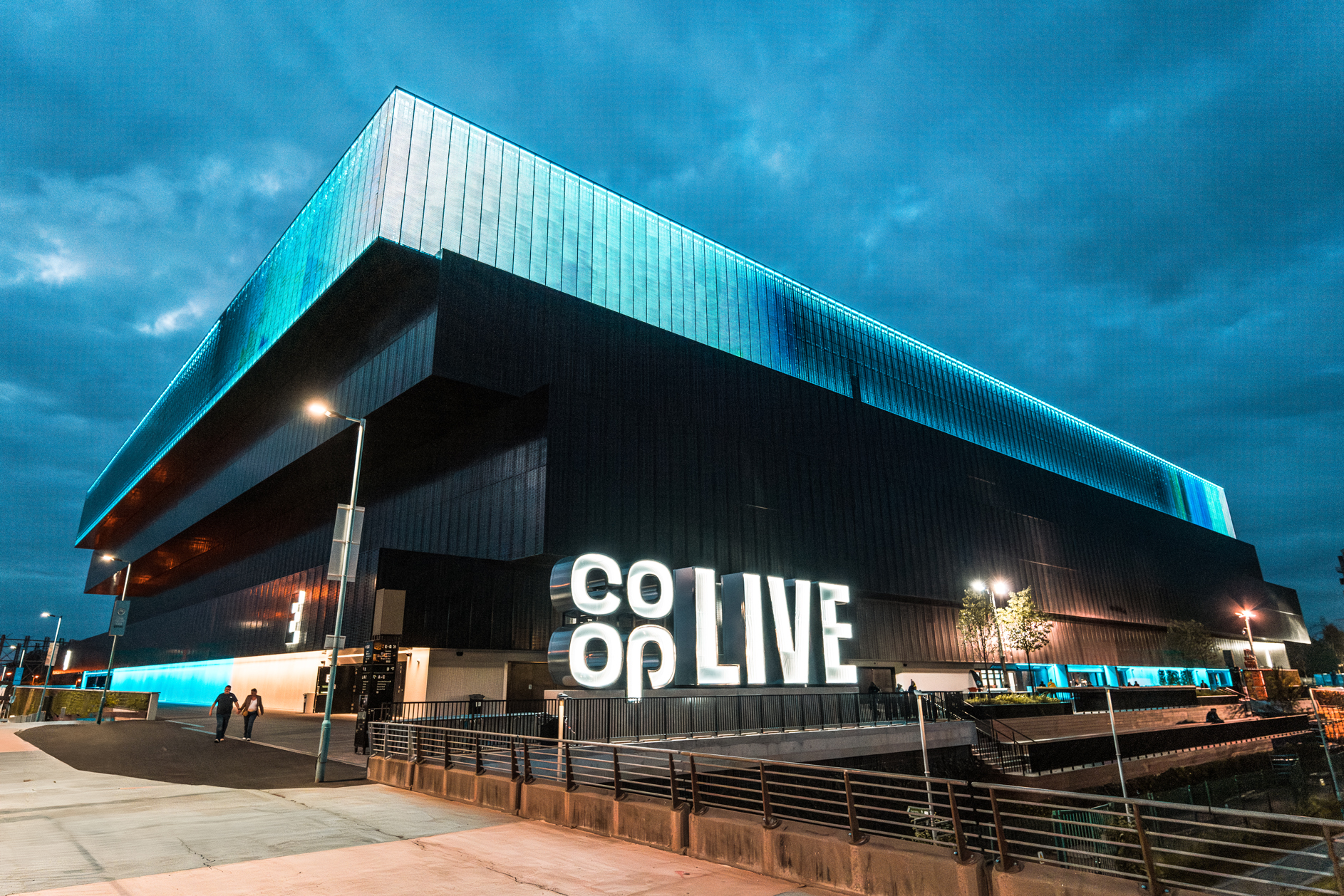
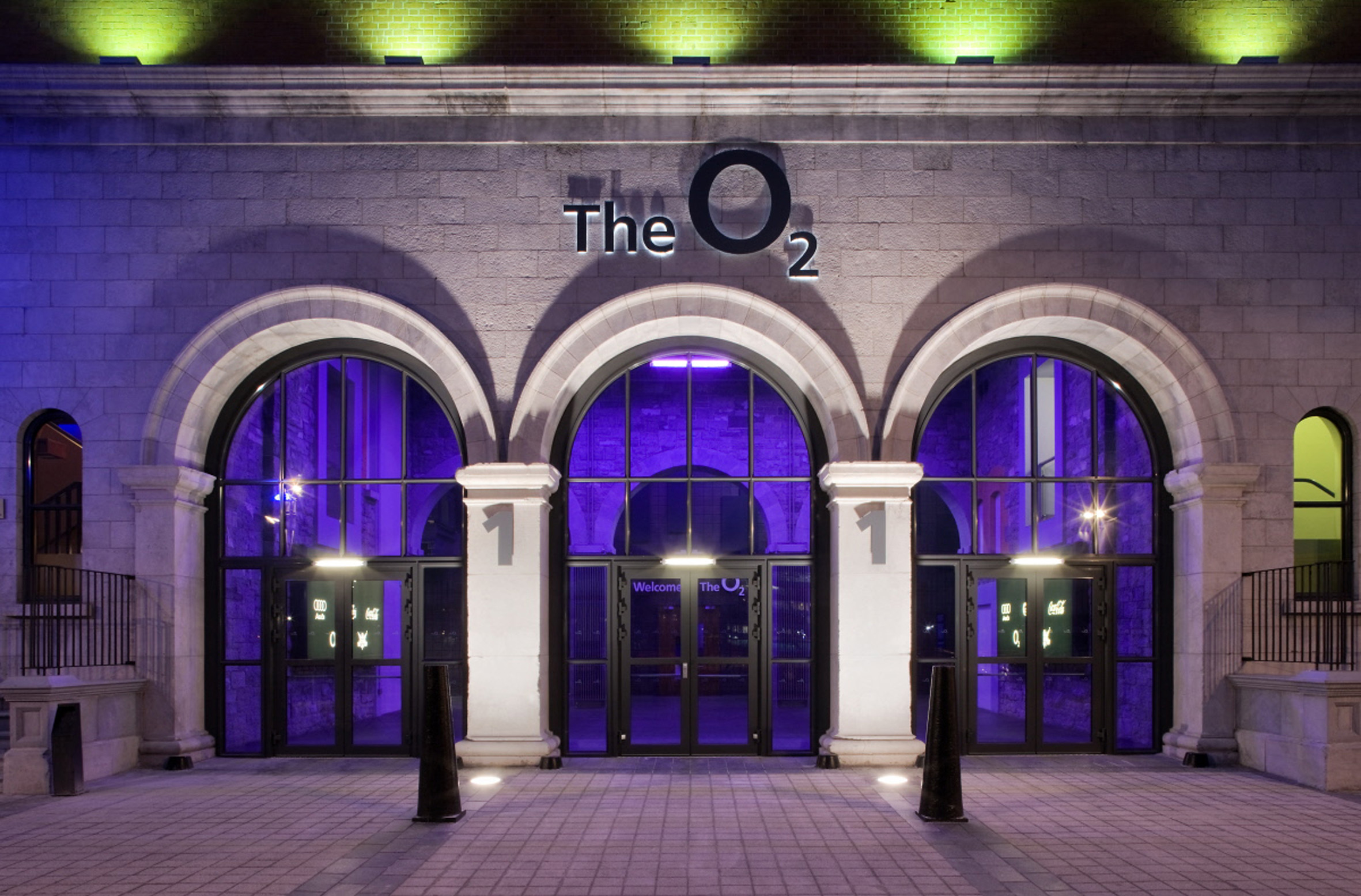
Drawing on Buro Happold’s experience at The O2, 3Arena, Co-op Live, Red Bull Arena and Edinburgh Park Arena, the speakers will examine different approaches to new-build delivery, transformation, adaptability and long-term operation.
“The most resilient arena may not be the one that predicts the future correctly. It may be the one that can change when the future arrives.”
WHAT YOU WILL TAKE AWAY
Key Takeaways
The arena as a district catalyst
Why arenas are increasingly becoming anchors for wider destinations rather than standalone event buildings.
365-day arena or 365-day destination?
How different approaches to activation influence investment, operations and masterplanning.
Future-adapting rather than future-proofing
Why adaptability may be more valuable than trying to anticipate every possible future use.
Engineering in support of experience
How engineering can support atmosphere, flexibility, sustainability and commercial resilience without complexity becoming an end in itself.
More audiences, not simply more seats
Why success may come from broadening the audience and creating more distinctive experiences rather than automatically increasing capacity.
The future arena may already exist
How transformation and phased investment can give existing venues a new generation of life.
“Increasingly, we are not simply designing an arena. We are designing a district with an arena at its heart.”
GUEST SPOTLIGHT
Meet the Speakers
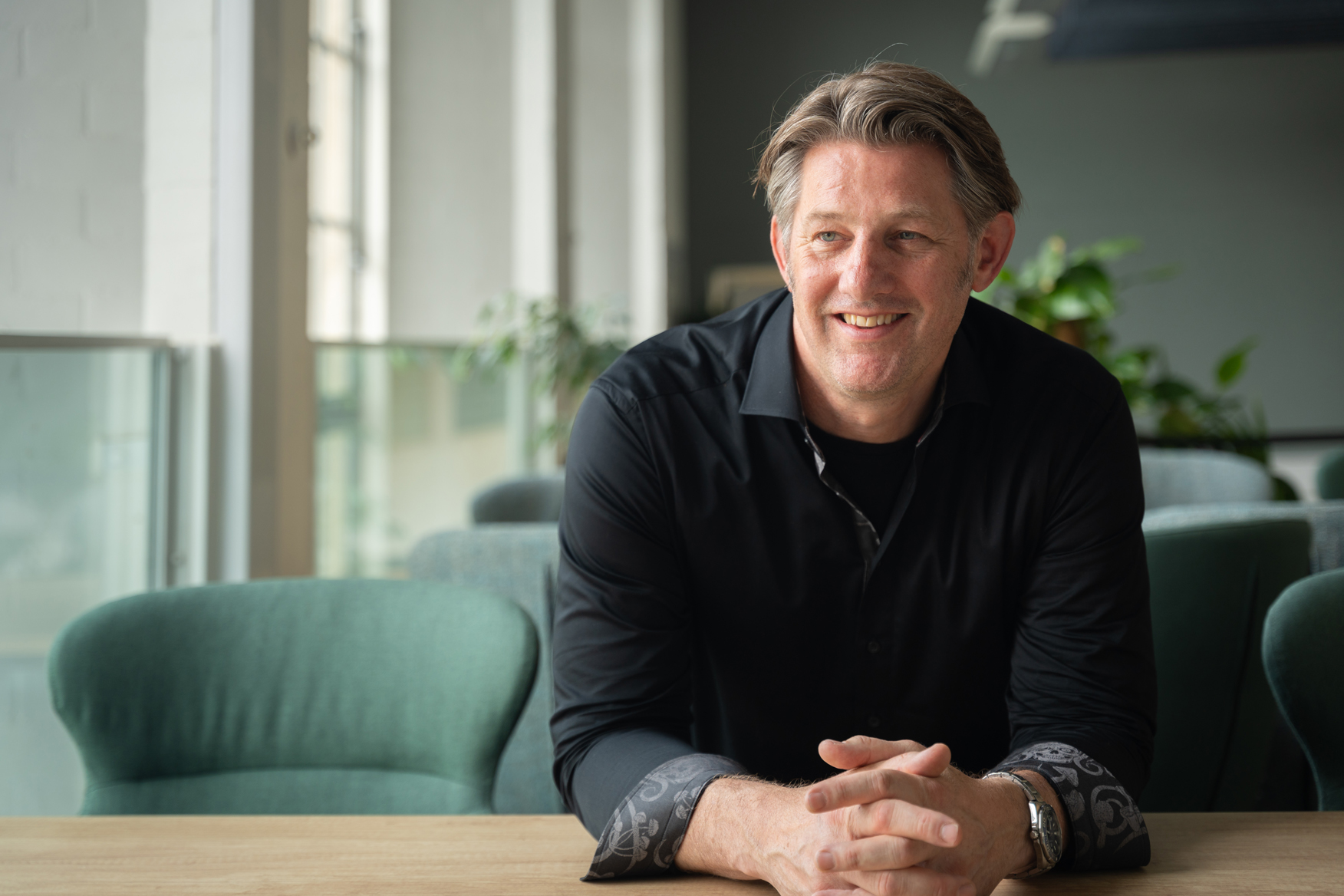
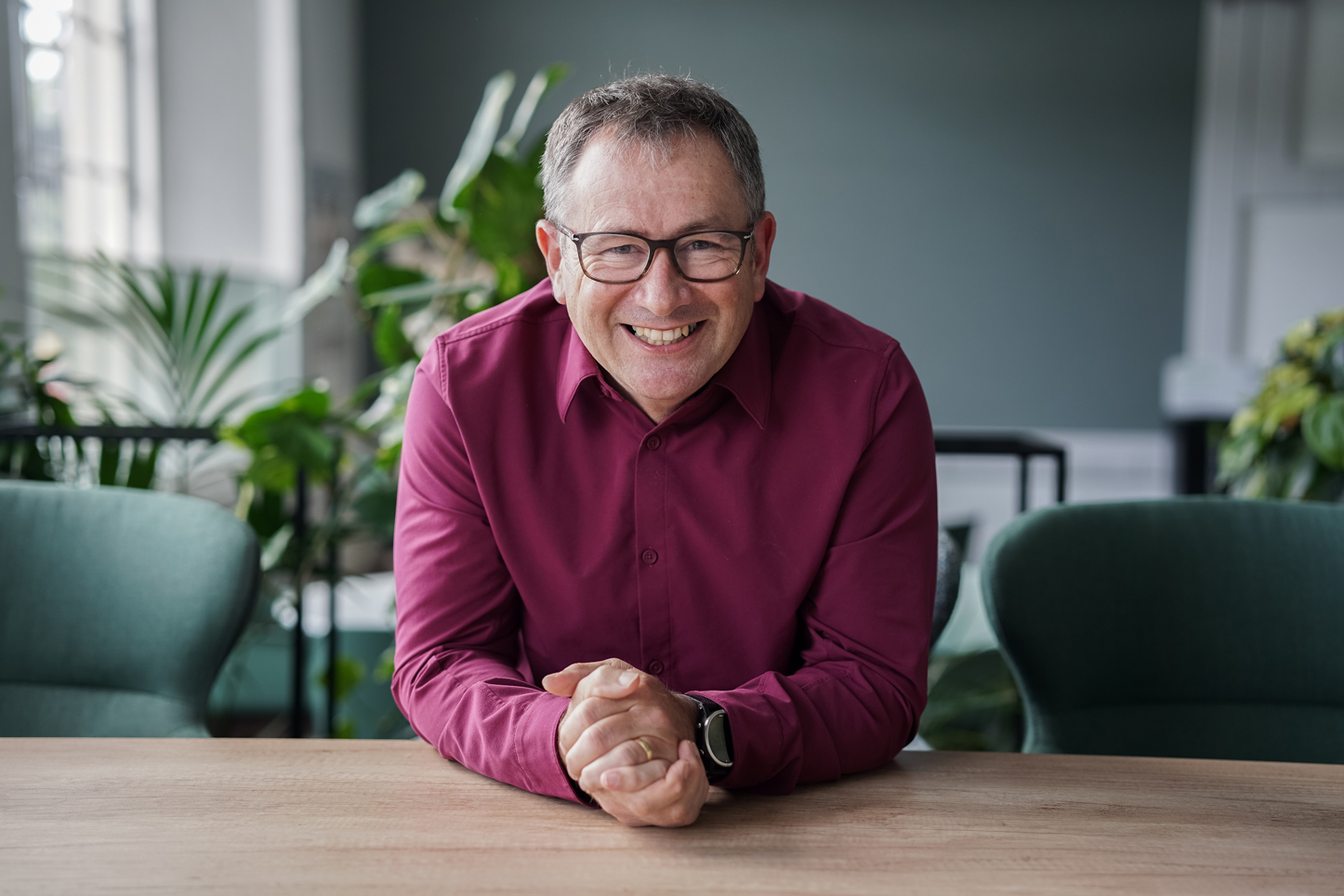
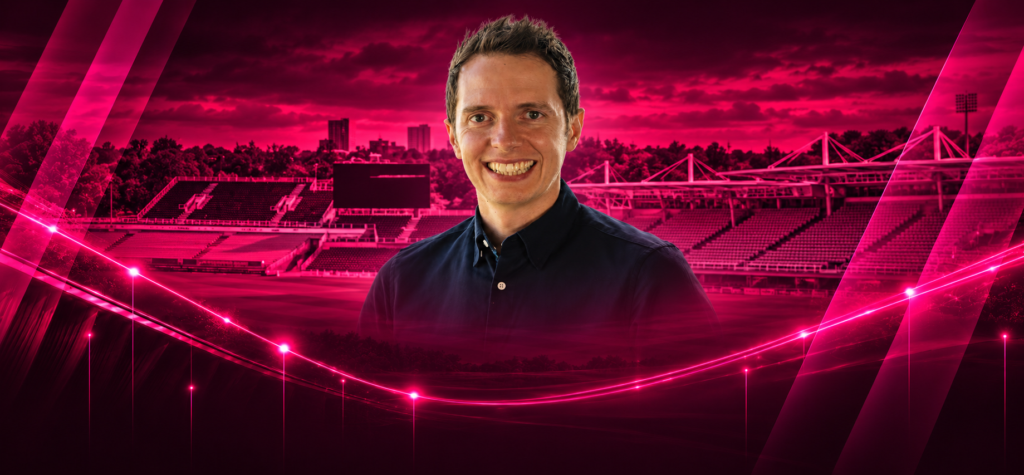
Rob Amphlett
Partner, Sports & Entertainment Sector, Buro Happold
Rob leads Buro Happold’s UK Sport and Entertainment sector and is responsible for the delivery of major venues. As an engineer designer, he has led teams on landmark projects across the UK and internationally, including Tottenham Hotspur Stadium and Co-op Live Arena.
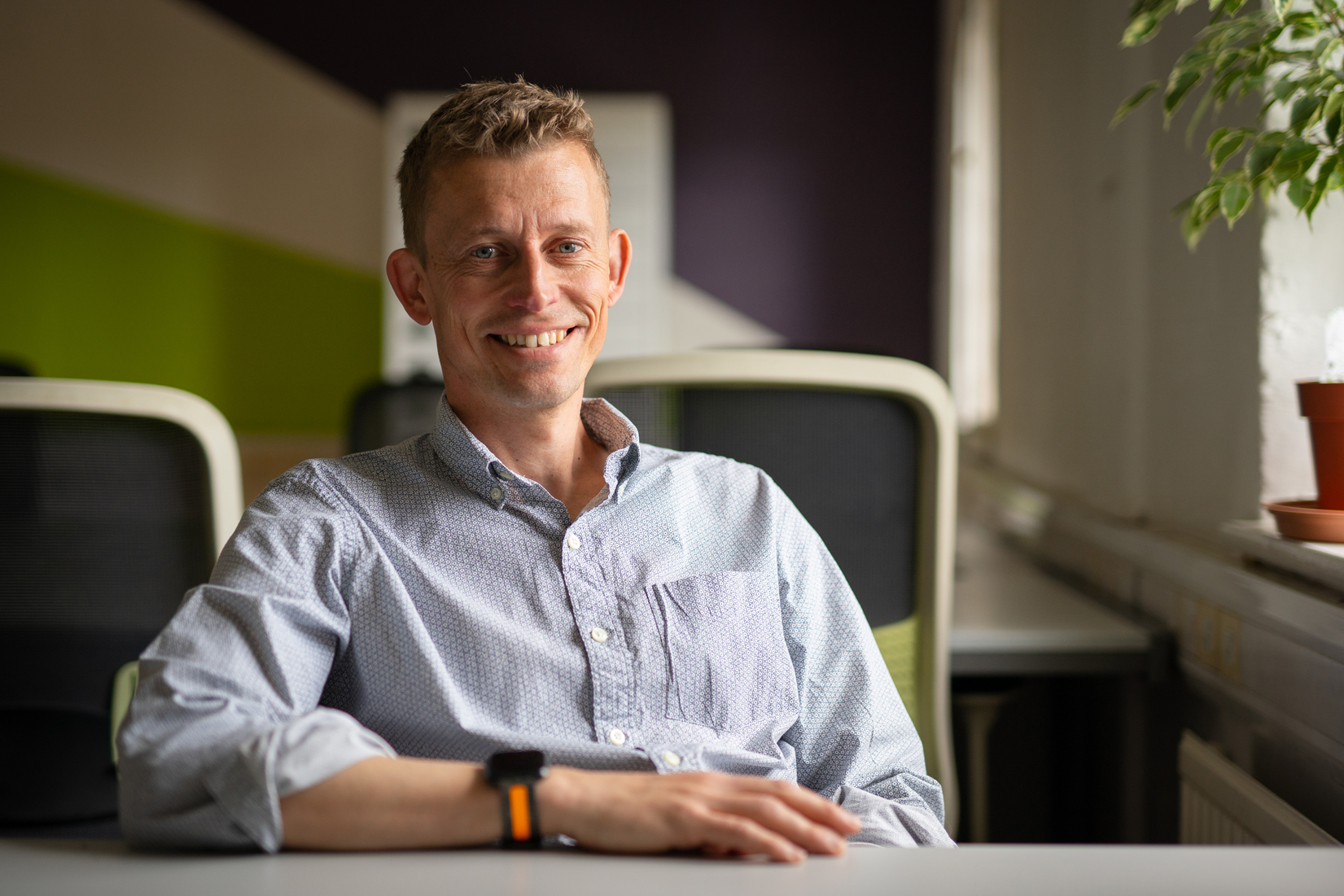
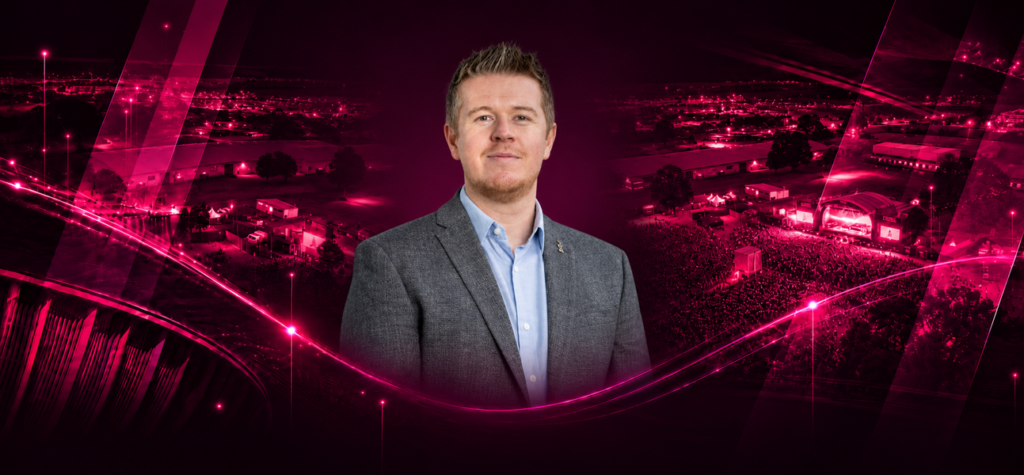
Steve Williamson
Partner, Sports & Entertainment Sector, Buro Happold
Steve brings global experience and expertise in the sports sector, specialising in venue functionality and operations. He has played a key role in the delivery of award-winning projects, including SAP Garden and Tottenham Hotspur Stadium.
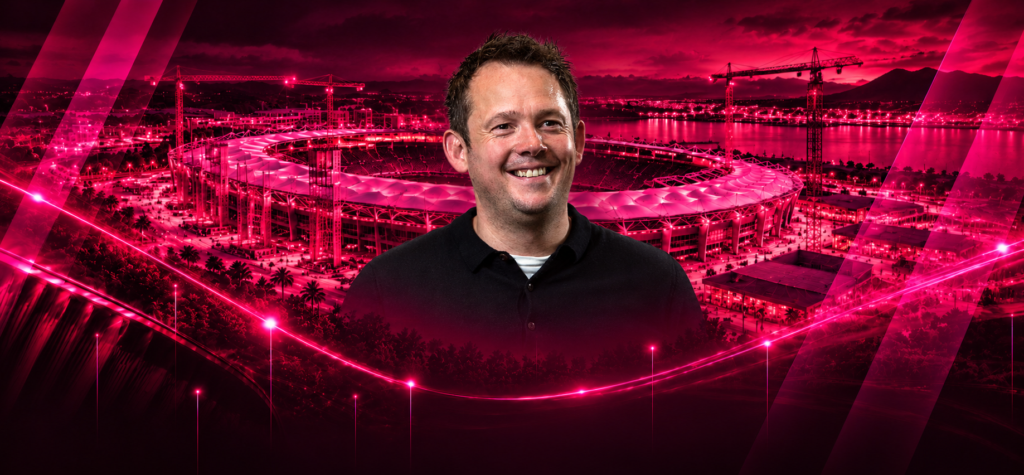
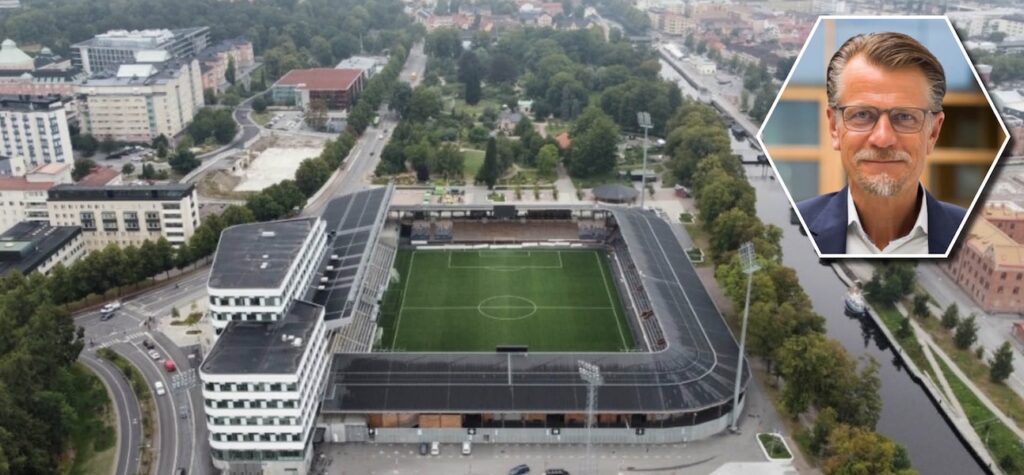
Andy Pottinger
Director, Sports & Entertainment Sector, Buro Happold
Andy specialises in the design and performance of arena and stadium venues across UK and global markets. His experience spans major arena developments including Co-op Live, 3Arena and Coca Cola Arena.
Be Part of the Arena Conversation
Join Buro Happold and fellow venue owners, operators, developers and design teams to explore how arenas can become more adaptable, distinctive and connected to the places around them.
“How do we create arenas that deliver extraordinary shared experiences today while remaining capable of changing tomorrow?”
TheStadiumBusiness Design & Development Summit 2026
30 November–2 December 2026
Emirates Old Trafford, Manchester



Share this