#TDS26 Spotlight: Southampton FC and St Mary’s Waterfront vision

#TDS26 | Guest Spotlight
What could St Mary’s become beyond matchday? For Southampton FC, the long-term ambition is to place the stadium at the heart of a broader waterfront destination, with value for supporters, residents, visitors and businesses throughout the year.
Ahead of TheStadiumBusiness Design & Development Summit 2026, we caught up with Jon Clarke, Chief Operating Officer at Southampton FC, to discuss the thinking behind the St Mary’s Waterfront vision, its relationship with the city and the opportunities that come with looking beyond the stadium itself.
With development work underway, Jon emphasises that this remains a long-term vision. The focus is on understanding the opportunities and constraints, working with stakeholders and allowing the appropriate planning and consultation processes to shape what comes next.
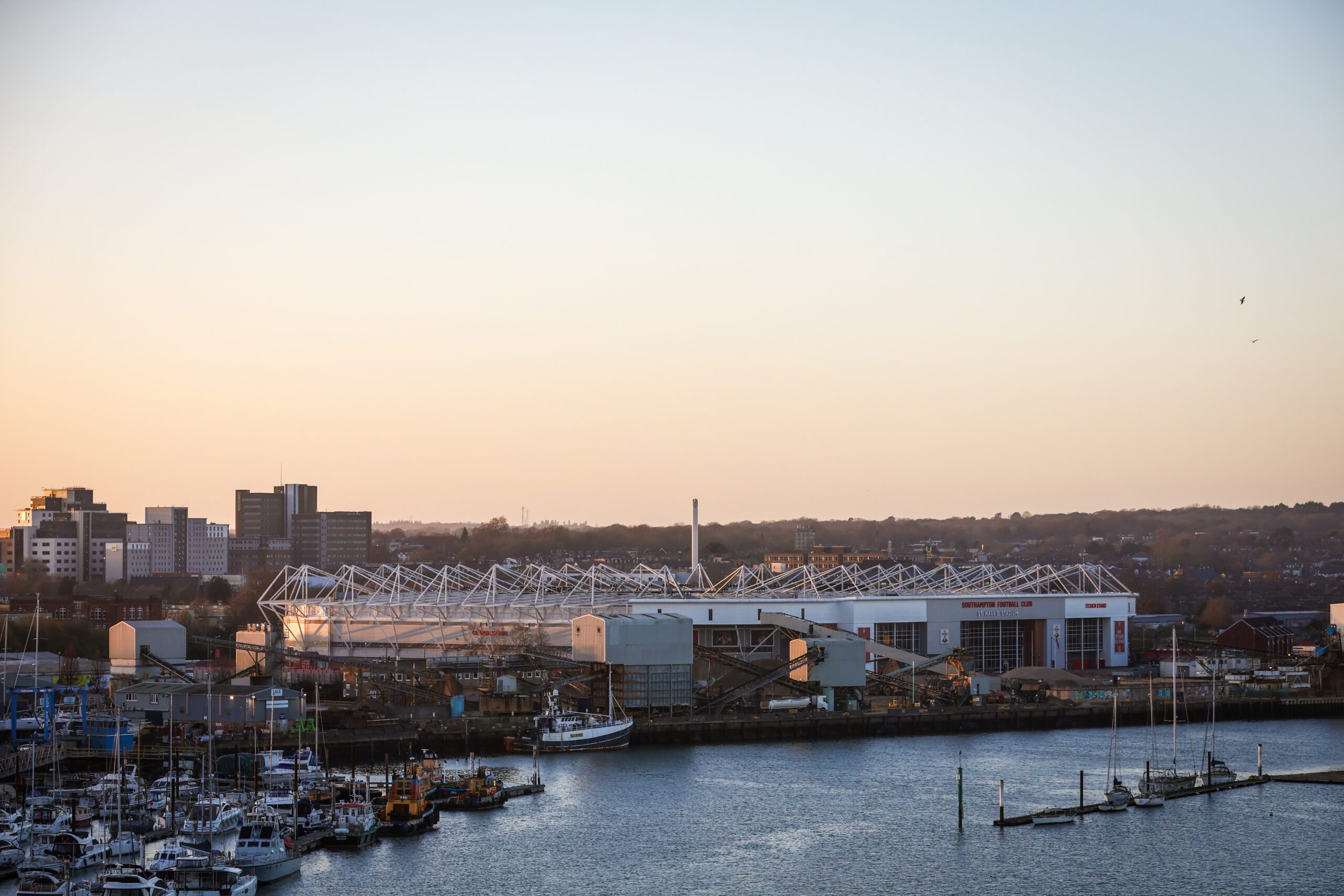
“You are not simply looking at a stadium project; you are considering how a major sporting venue can contribute to the identity and future of an entire part of a city.”
Jon Clarke
Chief Operating Officer, Southampton FC
01 / The vision
Could you give us a brief overview of the St Mary’s Waterfront plans and the vision for the area around the stadium?
Our vision is to create a world-class, year-round waterfront destination for Southampton, where community, sport, entertainment and maritime heritage come together. We are looking at how the stadium can sit at the heart of a broader destination — one that works for supporters on matchdays, but also has relevance for residents, visitors, businesses and the wider Southampton community throughout the year.
It is important to stress that this is a long-term vision and that there is still work to do before we can talk about the detail.
02 / The next steps
What is the current status of the project, and what are the next key milestones?
There is a significant amount of development work underway, but we are deliberately taking a measured approach. The immediate focus is on developing the vision, understanding the opportunities and constraints, and working with the relevant stakeholders.
There will be a number of milestones as the project progresses, but we don’t want to get ahead of the appropriate planning and consultation processes. We will communicate more as individual elements become sufficiently developed.
03 / Opportunity and responsibility
What have been the most interesting, or challenging, aspects of the project so far?
The exciting part is the scale of the opportunity. You are not simply looking at a stadium project; you are considering how a major sporting venue can contribute to the identity and future of an entire part of a city.
The challenge is equally significant. There are many stakeholders and competing considerations, and we need to make sure that what we develop is commercially sustainable, operationally practical and, most importantly, delivers genuine value for supporters and the community.
04 / Beyond matchday
How do you see the Waterfront plans improving the fan, community and matchday experience around St Mary’s?
Our ambition is to broaden the experience around St Mary’s. The stadium already has a strong identity, but there is an opportunity to make the area around it much more engaging and connected.
For supporters, that could mean a stronger sense of arrival and destination on matchdays. For the community, it is about creating an environment that has value beyond football and can support activity throughout the year.
05 / Connecting club and city
How does the project fit into Southampton’s wider regeneration ambitions for the riverside?
We see the project as complementary to Southampton’s wider waterfront ambitions in line with the Southampton Renaissance vision. The city has a unique relationship with the River Itchen and the wider waterfront, and improving connections between the stadium, the river and the city can create benefits that go well beyond the football club.
The club wants to be a constructive partner in that wider regeneration story and to make sure that any future development contributes positively to Southampton as a place to live, work and visit.
06 / Joining the conversation
What are you looking forward to most about joining us at TDS26?
The opportunity to have an open conversation about the role that football clubs and stadiums can play in wider regeneration is particularly interesting to me.
There are some genuinely exciting examples across the industry, and I am looking forward to hearing different perspectives, sharing some of our thinking at a high level, and learning from others who are tackling similar challenges.
About our guest
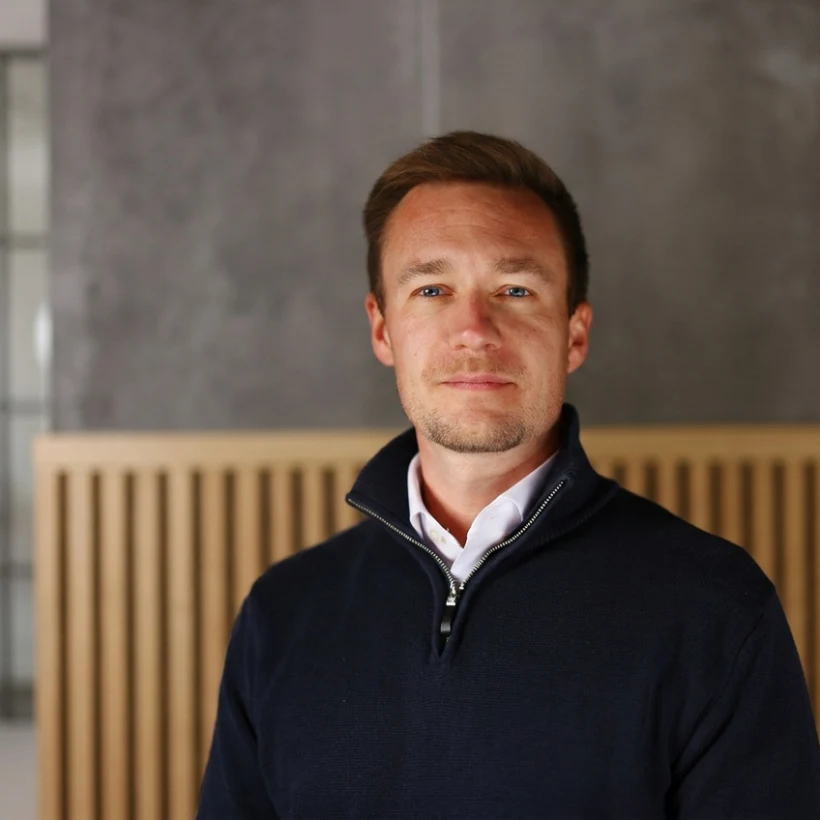
Jonathon Clarke
Chief Operating Officer, Southampton Football Club
Jonathon Clarke is the Chief Operating Officer at Southampton Football Club. He has extensive experience in property law, corporate law, and real estate consultancy, and previously served as Head of Infrastructure at Oxford United Football Club.
His previous roles include Director of Investment Management at Colliers International, as well as strategic board advisory positions across sport and real estate projects.
Jonathon holds a Master’s degree in real estate from the University College of Estate Management and a Law degree from Northumbria University, where he was also part of the University Management Scheme, supporting the university’s strategic direction.
With a focus on mergers and acquisitions, property management, and operational strategy, Jonathon has developed a strong track record in real estate investment and development across the UK and Southeast Asia.
Stadiums. Arenas. Destinations.
Join the conversation at #TDS26
Meet Jon Clarke and fellow venue leaders in Manchester to share ideas, exchange project experience and explore the future of sports and entertainment destinations.
TheStadiumBusiness
Design & Development Summit
30 November – 2 December 2026
Emirates Old Trafford, Manchester
Connect with the people shaping the next generation of venues.






Share this